Week 10 Reflection

I really enjoyed the subject matter for this week. I do think that 3D imaging has a lot to offer museums in terms of accessibility as museums only have so much room to actually display things. Making the extended collections available online is much more helpful for those doing research interstate or internationally. It isn’t the same emotionally as seeing the item in person but I believe it offers a lot. It is also a good insurance as if the item happens to be damaged or the whole museum is lost you have a record that has been conserved and can be 3D printed such as the arch of triumph from Palmyra. I think this is important moving forward as humanity has already lost far too much of its past.

I love the idea of creating 3D worlds such as the recreation of life in Angkor I think that while it definitely has limits as to what is known and portrayed it is another way of making the past come to life. With time and increased immersion from VR perhaps they will allow people to connect with the past in ways which we are not yet capable of doing. Being able to walk around a WW1 trench and see what it was like or see how conditions on an old first fleet ship were are a couple of experiences I think would be quite powerful.

I recall footage of the game Rome Total War II being used in a documentary. I have seen it in multiple documentaries including one on Carthage being destroyed by Rome. It shows that there is a desire for these representations for use by historians. Since games generate revenue they tend to be able to have a high quality however this does bring up issues around profits and museums.


Week 10 Reflection

This week we looked partly at virtual reality during class and looked at a number of different ways which we can create a virtual reality. One of the things we looked at was 3d scanning which didn’t really work successfully because the back of the Tardis didn’t appear only the front, sides and top. Another piece of technology that we looked at, however, was google cardboard. Which is sort of similar to the oculus rift which I’ve seen around before but it is a far simpler and cheaper version. I can see how this form of virtual reality simulator could be really useful when working in museums especially from a curatorial point of view. This is a really efficient way that you could experience an exhibit without actually attending it. Meaning that if you were in another country and there was an exhibit else where you wanted to attend you could perhaps do so through this technology.

week 10


This week we took a look at creating 3d images out of pictures, discussing and debating about the purpose and use of 3d digitalization.

In my opinion is a handful technique, its use extends from recreating thing that do not longer exists like architectural structures that no longer exist out of plans or other documentation, to recreate objects that are in good conditions inside a collection.

The interaction with space was an essential part of the conversation topic this week.

In believe, the 3d digitalization of museums or objects within them give people the opportunity to interact with things they do not normally have access to.

Despite its advantages, this way of displaying an object can sometimes disconnect you from the object itself.

I really liked how everyone had their own views about the use of lack of it within collections.

Below an example of 3D site model reconstruction, comparing it with the site images from today.

Week 9

Recognition of faces, what a great application! I found it quite interesting and amazing. it’s true we turn to see faces or we look for them constantly in our surroundings. the different applications have different purposes and ways to recognize faces.

Before this class, i did not imagine this type of application could be helpful in heritage discoveries like the Anne Boleyn’s case where a research team had use facial recognition to identify her portrait, although hesitation can take over and the fact that is not entirely trusty is a great thing to consider the different ways technology can be use to innovate and help us get more and more of our cultural history every day.


Week 9 reflection

Hi everyone,

My week 9 reflection is a bit late due to not having internet in my new house 🙁

Last weeks lesson was really interesting, enjoyable, and so very creepy.

I enjoyed the new discovery of redaction art, and submitting some photos to the Vintage Art Depot on Twitter. I submitted a bunch of real photos, but also a cartoon image of myself to see whether it would detect the face, and it worked! The topic of facial recognition reminded me of this post which I find so funny. Also, since becoming aware that humans are REALLY good at detecting faces in things, I actually cant stop detecting faces in things. More so than before.

Actually being able to sit through a lesson made such a difference than trying to do it all online, so I’m very happy that I don’t have any more forensics tutorials clashing with this unit.

Looking forward to this weeks class,

Nour.

Week 9 Reflection

Finding out this week about just how far face detection has come and how much companies and governments are investing in the technology was a little creepy. The bad dystopian sci-fi names ( such as ‘the capacity’) for them aside it was really cool how some designers had come up with styles that allowed you to avoid facial recognition software. They looked equally as sci-fi as the technology sounds, it will be interesting to see if eventually the technology develops to see through these disguises. Although as humans see face in things that machines can’t see I guess it would be a very long process to get that far.

I found the idea of redaction art very interesting as it is something that has gone undiscovered only to be brought to light through detection software and the human eye.

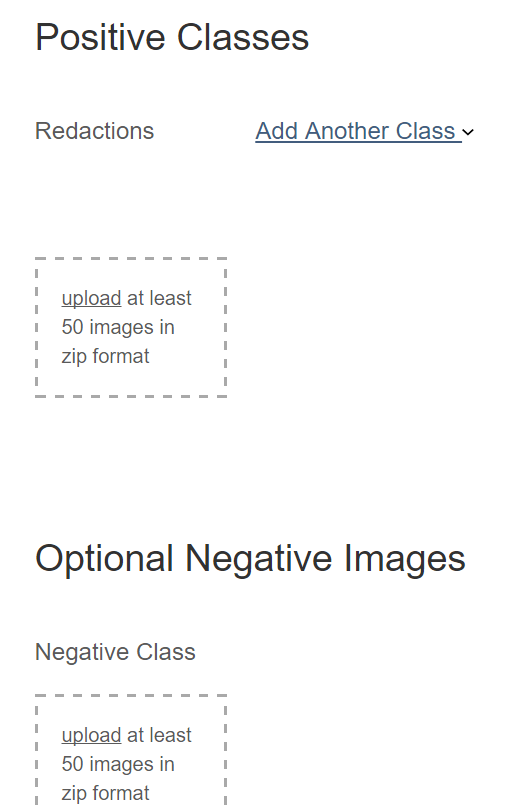
I liked the idea of image classification and were it a completely free service would be interested in playing around with it. One idea I had was for its use with historical artworks such as representations by ancient cultures of the sun, I am not sure why but it seems like it would have the potential to find some interesting things.

I also laughed at the prospect that the positive and negative folders made me realise that everything in the world can be sorted into two categories, goldfish and not goldfish.

Week 9 Reflections

We began this week by looking at a particularly interesting case of the ASIO File redaction’s. The tools used in this case are really interesting it shows how technology and the digital aspect of our world can be used to retrieve information that we couldn’t previously see. However, sometimes it can pull up things that we perhaps don’t need to see or necessarily want in our records and files. In this case it was that the person creating the redaction’s in the ASIO files seems to have also just drawn random little drawings throughout the files of things like shoes and boats. This means that as well as getting the actual redaction’s you are getting a lot of false redaction’s which means you have to look further through the files to find those legitimate redaction’s. This is really similar to those problem we found with search engines pulling up irrelevant things.

Week Nine: Face It

A trend has begun within these classes moving towards this class today I think. Ways in which we can utilise cultural heritage data to make it more engaging, and accessible using digital tools – and today really empathised that with the use of computer vision technology. We have looked at neatening data, making it into a variety of visual graphs and so forth. This week was all about images, and how to help computers see images in ways that are more useful and tangible for us (and sometimes accidental like Redaction ‘Art’). The most visceral and moving example was the images of the faces of people under the White Australian Policy. I think this is a beautiful way of fleshing out an issue that is widely known, but more in a way of dates and laws, rather than the actual who. Visual aids appeal to our humanity because a face is so recognisable and emotive, it instantly builds empathy because this is another person just like you or me.

Tim was discussing that the goal for another example, the Trovebot, putting faces on people who sent in photos was to try and connect people to the past in new ways. I love this as it continues to makes this data significant, because without interaction its meaning is lost. Face detection technology is a lot of fun too and I can see how this can be used in a variety of different ways, perhaps even at cultural institution with a photo booth like set up putting images of faces from the museum on to your own.

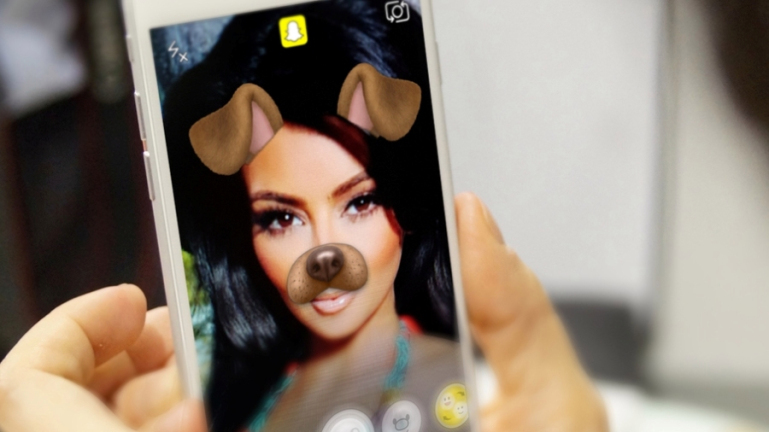
The face detection subject just reminded me a lot of the Snapchat filters that are popular, and sometimes they do have historically relevant ones (such as Marilyn Monroe on her birthday or the faceswap option where you can upload and image to swap with your own which I have seen is quite popular to do at classical art galleries). This is engaging, shareable and fun and this is another outlet that is potentially significant for cultural heritage as it is very good and well known technology.

Facial recognition on the other hand, a little creepy, but without obvious benefits used by the right people. Being able to identify historical figures in object would be great for example.

Week 9 Reflection_Yizhuo Zhang u3125186

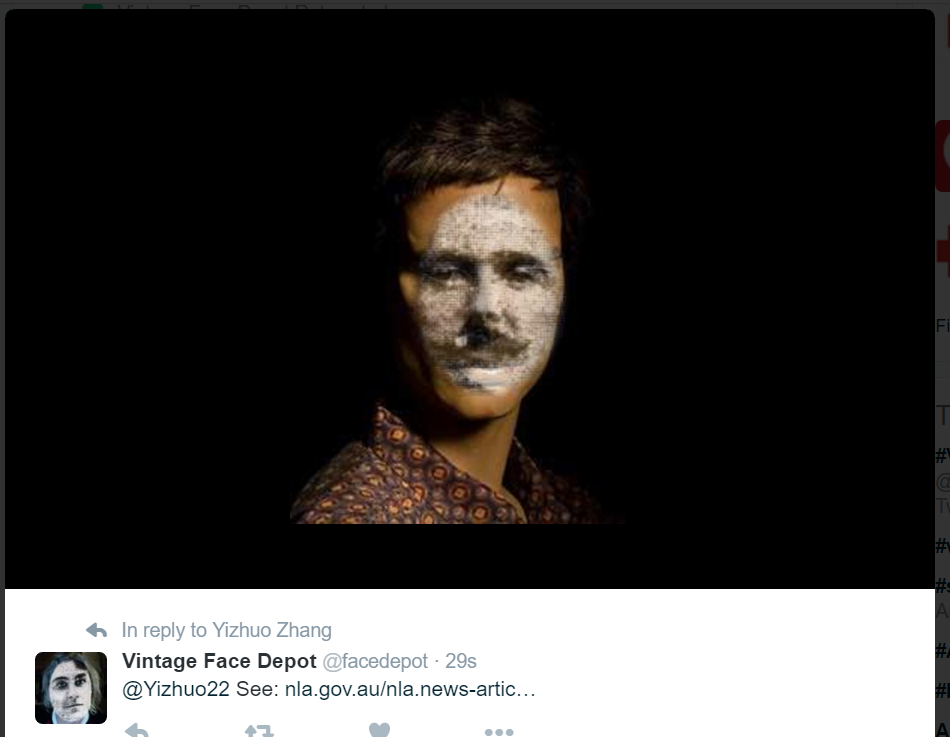
This is the face replacement with @facedepot.

untitled

It’s quite interesting and useful. This belongs to face detection, not recognition. Actually, face detection has already used for entertainment use, like Snapchat, you can create interesting video with interesting face in real time.

kim-kardashian-snapchat

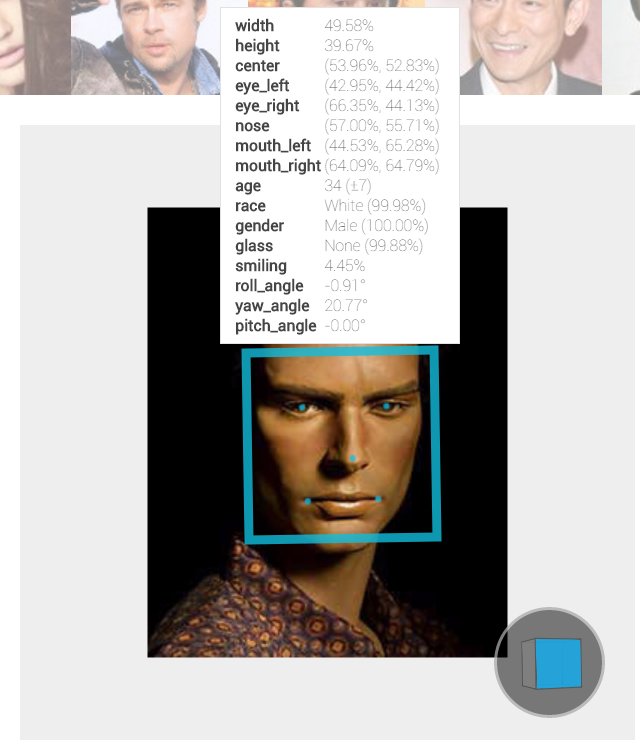
I’ve tried the Face++, it can not only detect human face, but also tells you the gender, age, races, and other information.

untitled

I think it can be used for department shopping industry, when people want to try some clothes, they just need to standing in front of camera, or upload their photo online. Then, according to their gender, age, races, body size… the system can give suggestions to them. However, it can also raise racism and gender equal problems. Nobody can say Asian people can’t wear what kind of clothes, or can. Nobody can say female can’t wear what kind of clothes, or can.

And for those hair styles that can blind facial recognition system, I don’t think it’s a big issue. Because with the development of technology, more advanced system will appear, and it won’t blind facial recognition system any more.

However, just like many people may think, the Aussie government’s new ‘weapon’ may raise privacy problems. So, I fully support government’s behaviour, but they need to make sure people’s privacy can be fully protected, only used for government departments. Not sold, not leaked, not like census.

20150508024015208

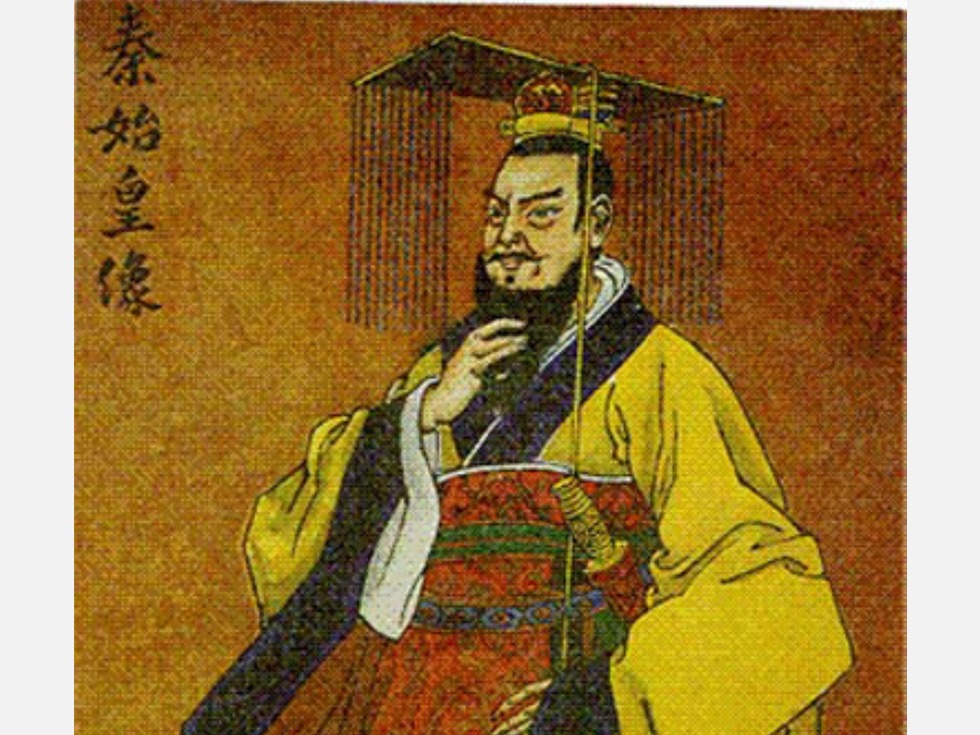
And yes, facial recognition can be very helpful for heritage protection, instead of human eyes. Maybe you can find Emperor Qin Shihuang was walking in crowd at a ancient China painting?

For the last video at week 9 handbook, I think it can raise fraud issues. It looks like Snapchat, but if some people believed it, maybe someone use granddaughter’s face to fake grandmother of grandfather. And it’s not only photo, it’s video, with the voice can also be imitated with latest technology.

untitled-2

I have tried IBM demo page, and the result is right.

Week 6 – Reflection


Data Visualisation or Statistical Analysis?

Data visualisation or statistical analysis? It is a bit of both really isn’t it and I can’t say I was fond of statistical analysis in first year. Although info graphs appeal to me very much. They tell a much better story then a plan ol’ graph.

Data visualisation all seems very subjected to me, what appeals and represents information to one person is completely confusing to another, especially when you start to employ colours. I like pink and purples and my attention will be grabbed immediately when using these colours. Browns and greens not so much. I guess it is the same with straight lines and curves or cluttered and clean spaces. Data visualisation isn’t just for research papers the way I was taught way back when for statistics. If it is on the internet, it is about audience attention, usability and interaction.

Which brings me Kindred Britain and The Origin of Species. These are great pieces of interactive data visualisation. You have the ‘far away’ view and the ‘close up’ view. The overview and the detailed information. There’s a bit of clever marketing with ‘The Origin of Species’ too. Sure you can sit there and read all the changes or you could buy their products based on these observed changes in time. I did wonder though, what happened to deleted pieces of the book from one edition to the next?

I loved the real time evolution of Darwin’s theory so much, I think it would be great to create a world view on the acceptance of earth being round and not flat. I might work on that but for now I have embedded some other graphs from this weeks tutorial tasks.

Number of People Accessing The Internet at Home According to Age


Another Plot.ly Chart

Attendance to Cultural Institutions 2013-14
css.php